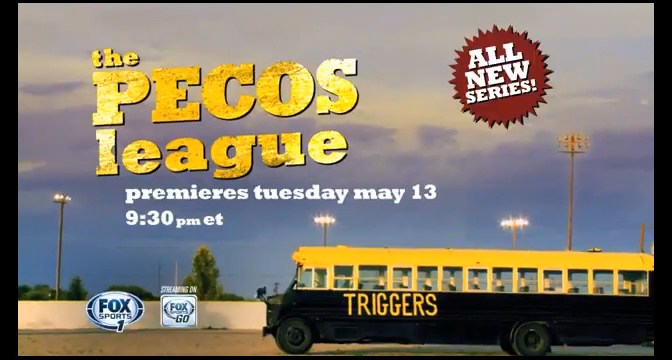
The Pecos League, an independent baseball league located in the desert mountain regions of New Mexico, Arizona, Southern Colorado, and West Texas, gained some exposure through its reality TV show on Fox Sports 1 earlier this year. The league, created in 2010, is at the bottom of the independent league ladder.
The players in the Pecos League play a very difficult and condensed schedule (70 games in 72 days) while battling harsh playing conditions and having less than ideal travel and sleeping arrangements. They do all of this for $50 a week (which breaks down to $1.19 an hour), the opportunity to keep playing the game that they love, and a chance to be noticed by a better team or organization. Essentially, they are in “The Shit Show” (as players affectionately call it), trying to get to “The Big Show.” Only one player, Jon Edwards, has ever played in the Pecos League and made it to the major leagues. However, Jon only played 2 games in the Pecos League while in between playing time with 2 professional organizations.
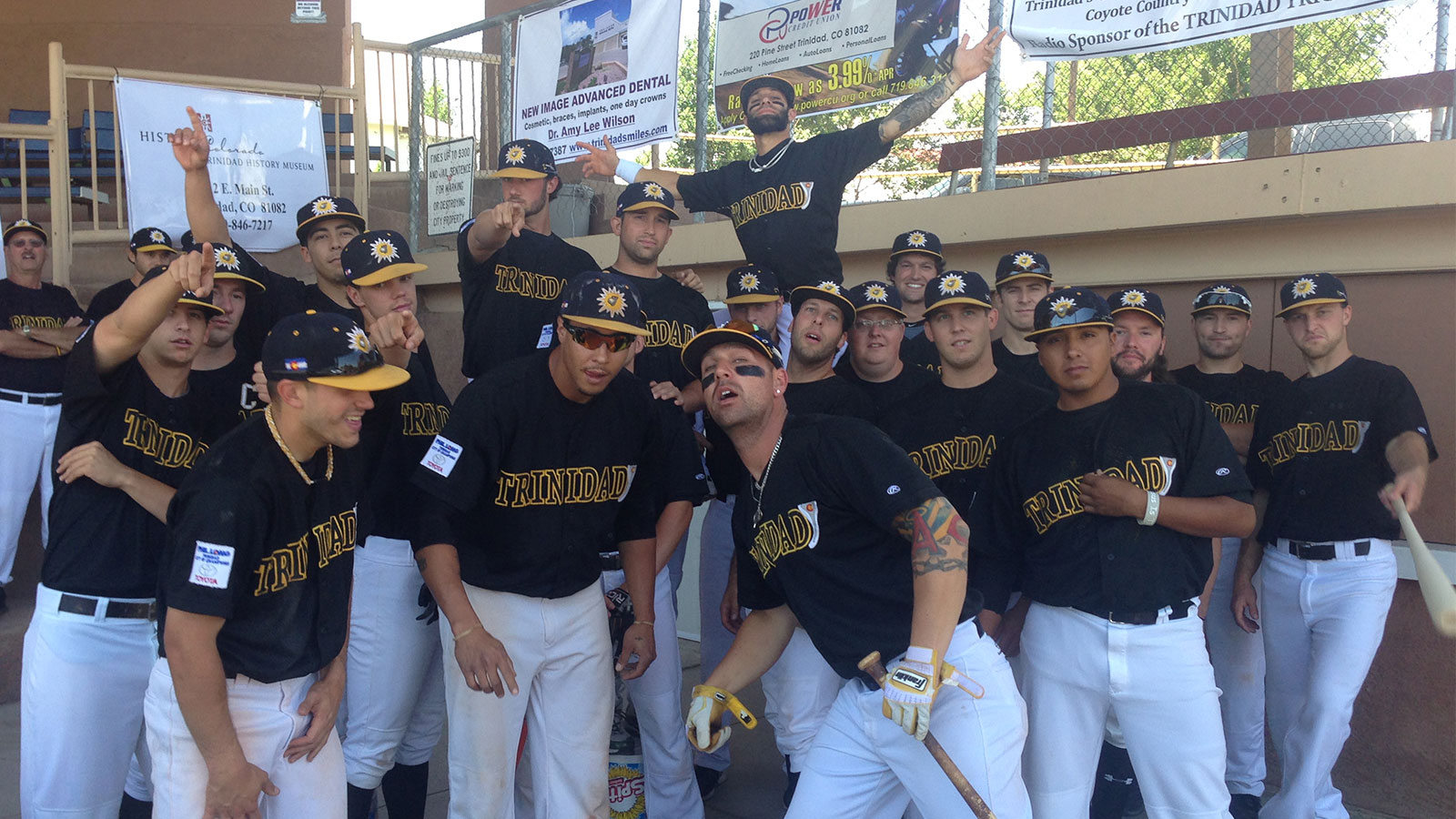
The six episode Fox Sports 1 reality show, The Pecos League, follows the 2013 Trinidad Triggers on their quest for a championship. Viewers are introduced to a whole cast of characters including manager JD, a Harvard Law graduate, former lawyer and musical theatre writer with no professional baseball experience, who quit it all to manage the Triggers. The show also focuses on players Tony Smith, Sam DiMatteo, Jacob Fabry, Frank Florio, John Sullivan, Richie Serritella, and Andrew Azzopardi.
The Pecos League opens up with a look at the city of Trinidad, CO and the funeral home in town where “Triggers TV” is recorded in the basement garage. The reality show focuses on the real part of independent league baseball, the type of stuff that casual fans aren’t aware of. After making the team, the players are introduced to their host families. Most players just cannot afford to live on their own on $50 a week paychecks. These host families willingly open their homes to complete strangers and let them have a place to sleep, eat, and live while in Trinidad for the season. Players grow close to their families, often times becoming big brothers to the kids. They go to their little league practices, make them bat boys, and become a true member of the family. They know that even if they are only playing in the Pecos League, these kids still look up to them as role models.
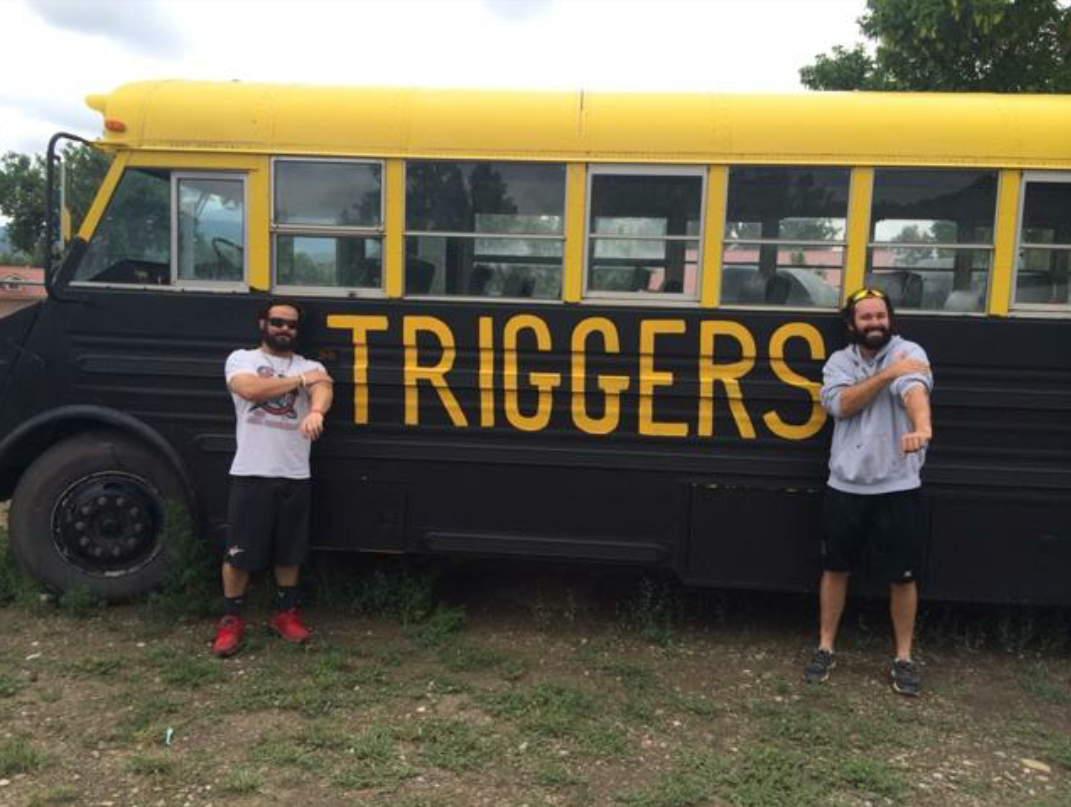
The show does a great job showing that life is anything but glamorous in the Pecos League. The Triggers travel on a cramped school bus for road trips that last 7 to 8 hours only to end up sleeping in fleabag hotels or places that were old rehab and homeless shelters. Players are also responsible for maintaining their playing field. They are shown running a 4 wheeler to turn over the infield dirt before the game, as well as placing small “tarps” on the field and raking the dirt even during rain delays.
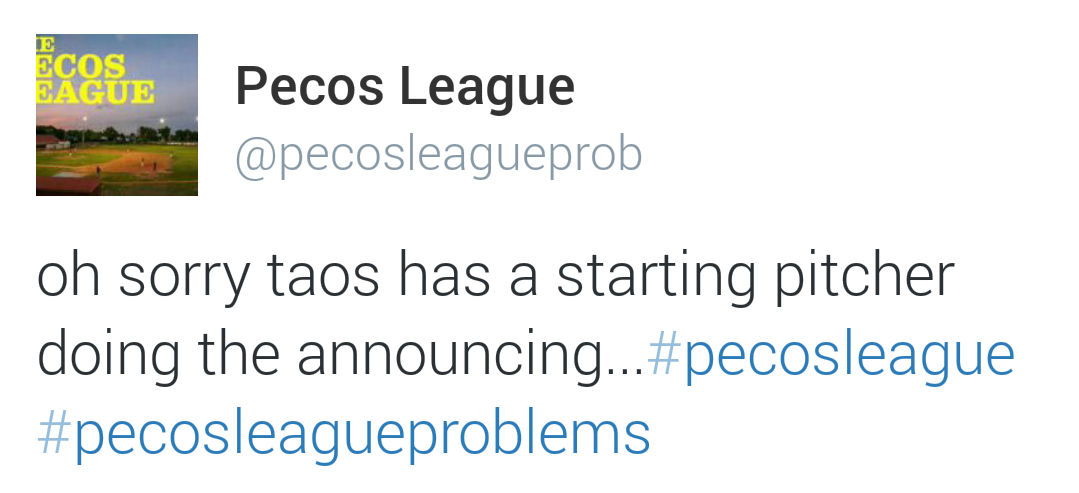
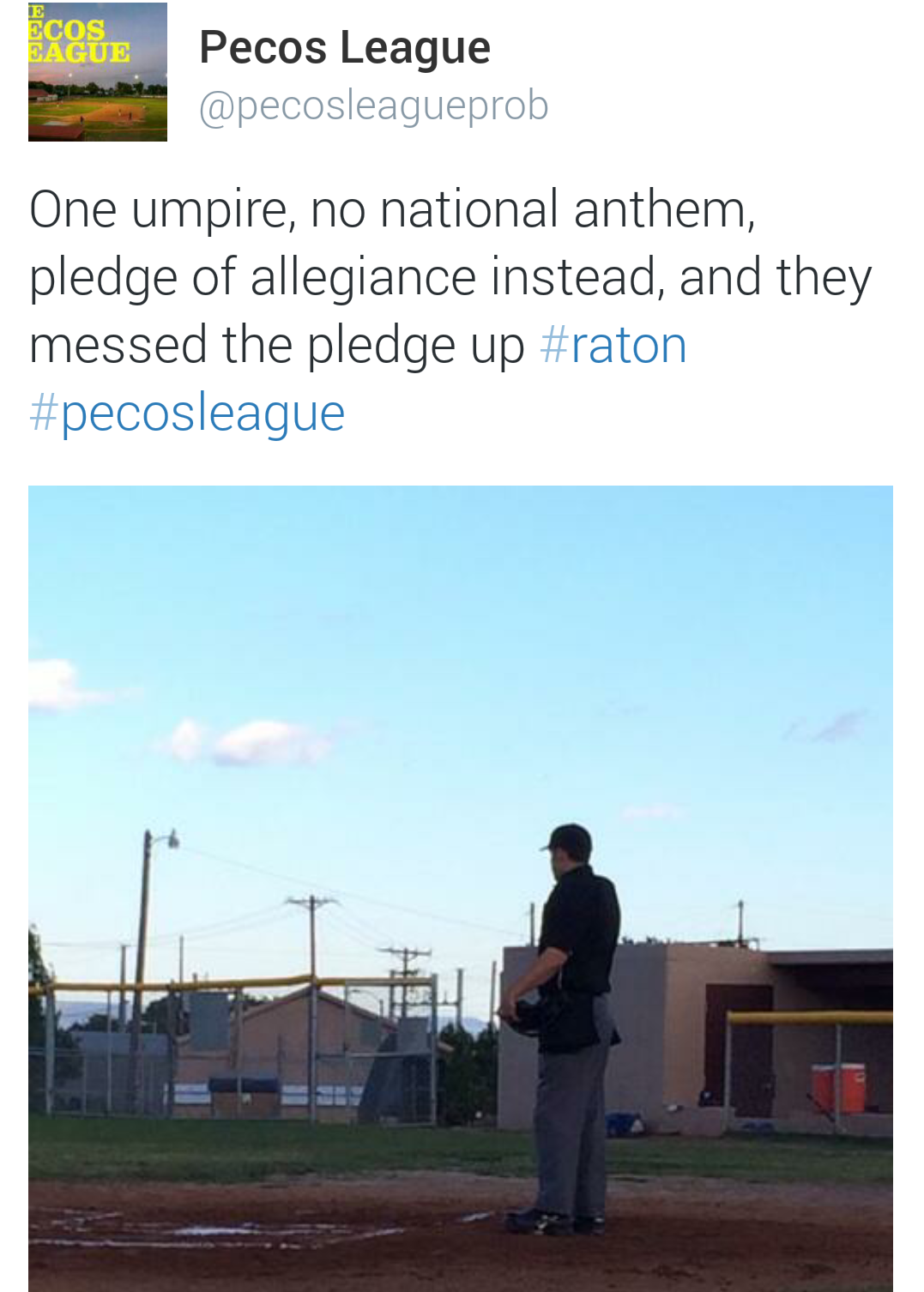
Often times, crowds are in the low hundreds at best. Even when the team was in first place, one player counted only 37 people in the stands. The players endure listening to terrible fight songs and national anthems performed by Captain America while watching 90 year old ladies and nuns throw out the first pitch. The league is full of poor officiating, umpires who seemed to have never opened a rule book, and scoreboards that don’t even show the correct inning or score.
So why would these guys play in the Pecos League if this is what they have to go through? To them, the answer is simple: They love baseball, and they love each other. Obviously here it is not about the money or fame. It is about true heart and dedication to the sport that they have loved since they were young. This single dream brings every player together as one. Over those 72 days, the players become a family. The one word that is said in every episode is “brotherhood.” From the clips of the guys partying, hanging out, chasing mule deer, and trying to swim in a reservoir on their only off day, the viewers can see the true bond these guys have with each other. Throughout the season, the guys go through a lot of ups and downs, but they are all in it together. Even though this reality show is about baseball, it is about so much more than just a game.
Pitcher John Sullivan wrote a song during the season that was featured on the show; I think he says it best: 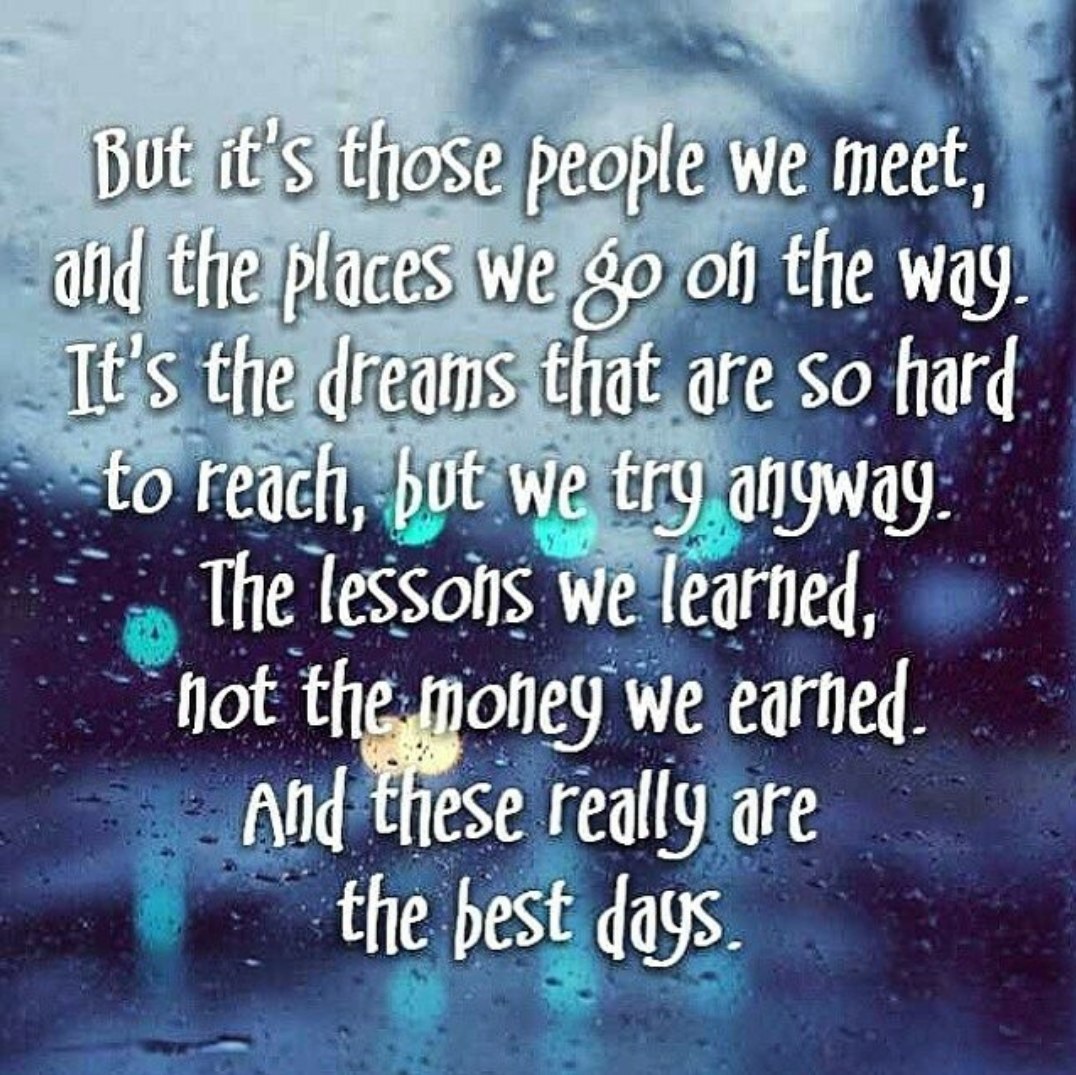
Listen to the full song here:
“We can make fun of the Pecos League all we want, but we’re still playing professional baseball.” – Frank Florio
I had the pleasure to watch 2 of these guys in the Frontier League this year. Tony Smith pitched for the championship winning Schaumburg Boomers, and Frank Florio played for the Frontier Greys (the team that I had “adopted” during the season.) This show takes a great look at a special group of guys. I encourage every baseball fan, especially fans of independent ball, to check it out! Even though the show has already aired, the episodes are available On Demand.
*Update* See where these players are now in this post: https://indyballisland.com/2014/11/10/the-shit-show-pecos-league-where-are-they-now/
 Indy Ball Island