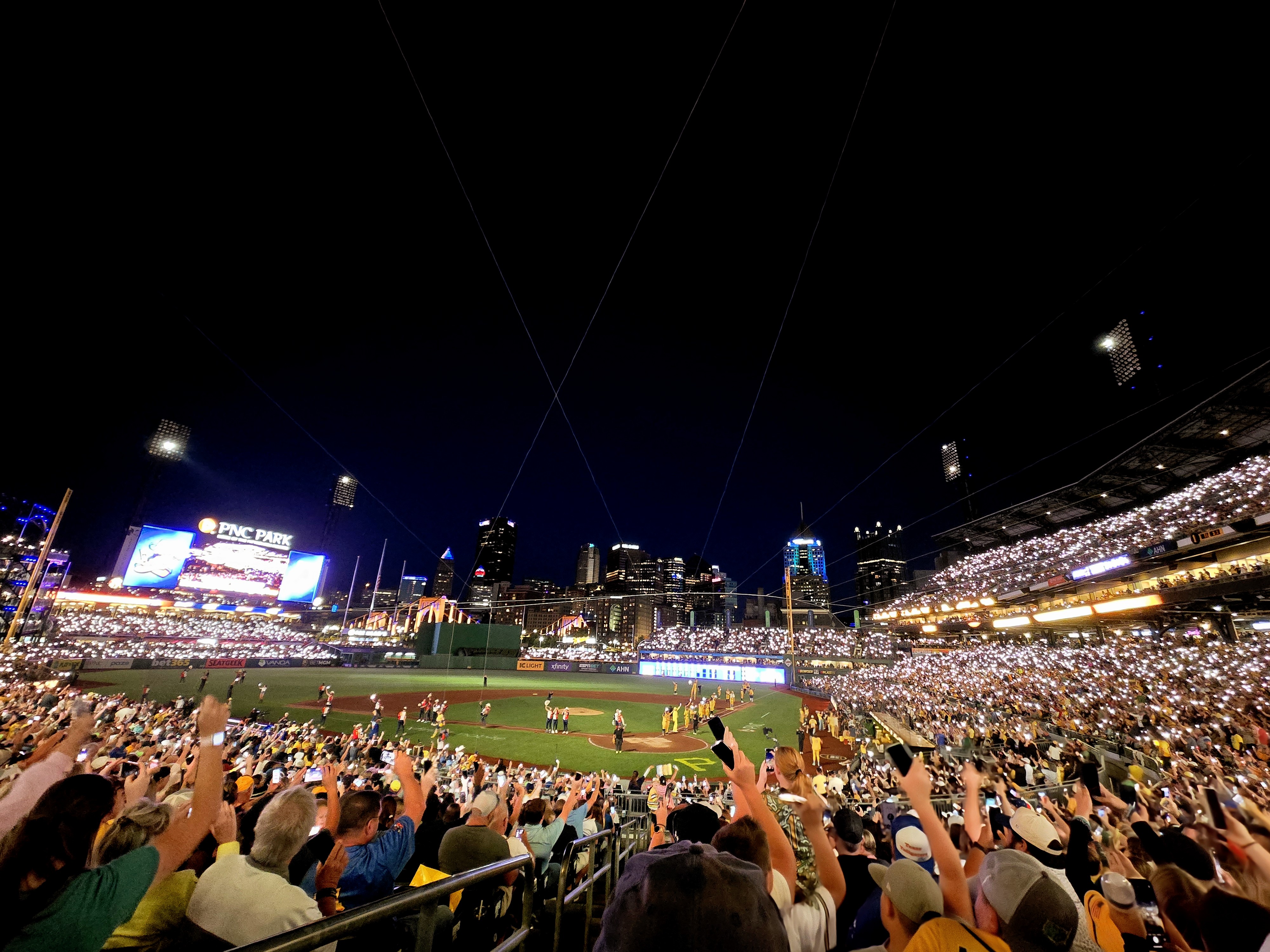
The rise of the Savannah Bananas and Banana Ball is finally being felt across the independent baseball world.
With two expansion teams, a real league structure, a player draft (for both baseball and entertainment talent), and sold-out stadiums nationwide with waitlists in the hundreds of thousands, Banana Ball has started pulling in indy ball talent to bolster its rosters.
As of this writing, 61 Banana Ball players have independent baseball experience across the Atlantic, American Association, Frontier, Pioneer, USPBL, and Pecos leagues.
I’ve been asked more than a few times lately whether I think Banana Ball is hurting indy ball. With players making the switch, it might look that way on the surface.
But honestly? I think it’s helping far more than it’s hurting.
Getting more eyes on baseball—any baseball—is a good thing. Getting kids excited about watching baseball is a good thing. Getting people fired up about the sport again is a good thing.
Any time a Banana Ball player gets mentioned and the conversation turns to their past indy ball experience, that’s another opportunity for fans to learn about baseball outside the major leagues.
In fact, this might be the push indy ball needs to become more of a hot commodity.
Right now, independent baseball is doing a pretty good job of hurting itself. It doesn’t need Banana Ball’s help with that… it needs Banana Ball to help make it better.
With the constant growth and expansion of indy leagues, talent is getting spread thin. These leagues need to establish themselves as true destinations for players who want to keep competing outside of affiliated baseball.
They also need to shake things up for fans—make their stadiums and teams the ticket in town.
Players want to feel seen and to know they are competing in a place where the game matters.
That starts with bringing in the best talent you can find… which means going out and actually finding it. Over the past few years, it feels like too many leagues have just shuffled the same players around. Roster rules that once pushed organizations to bring in younger, hungrier talent have quietly disappeared.
I genuinely believe the indy leagues in this country can field high-caliber rosters filled with college grads and players released early from affiliated ball. They can be competitive and entertaining—maybe not with trick plays or mid-inning TikTok dances, but with real, compelling baseball.
But they have to bring in the players. And to bring in the players, they have to bring in the fans. It all goes hand in hand.
Banana Ball and traditional professional baseball absolutely can coexist. If you want my full thoughts on that, check out my previous article, Purists, Relax. Fun Baseball Isn’t Ruining the Game.
And with that—let’s dive into the list of former independent baseball players who are now adding Bananaland to their baseball journey.
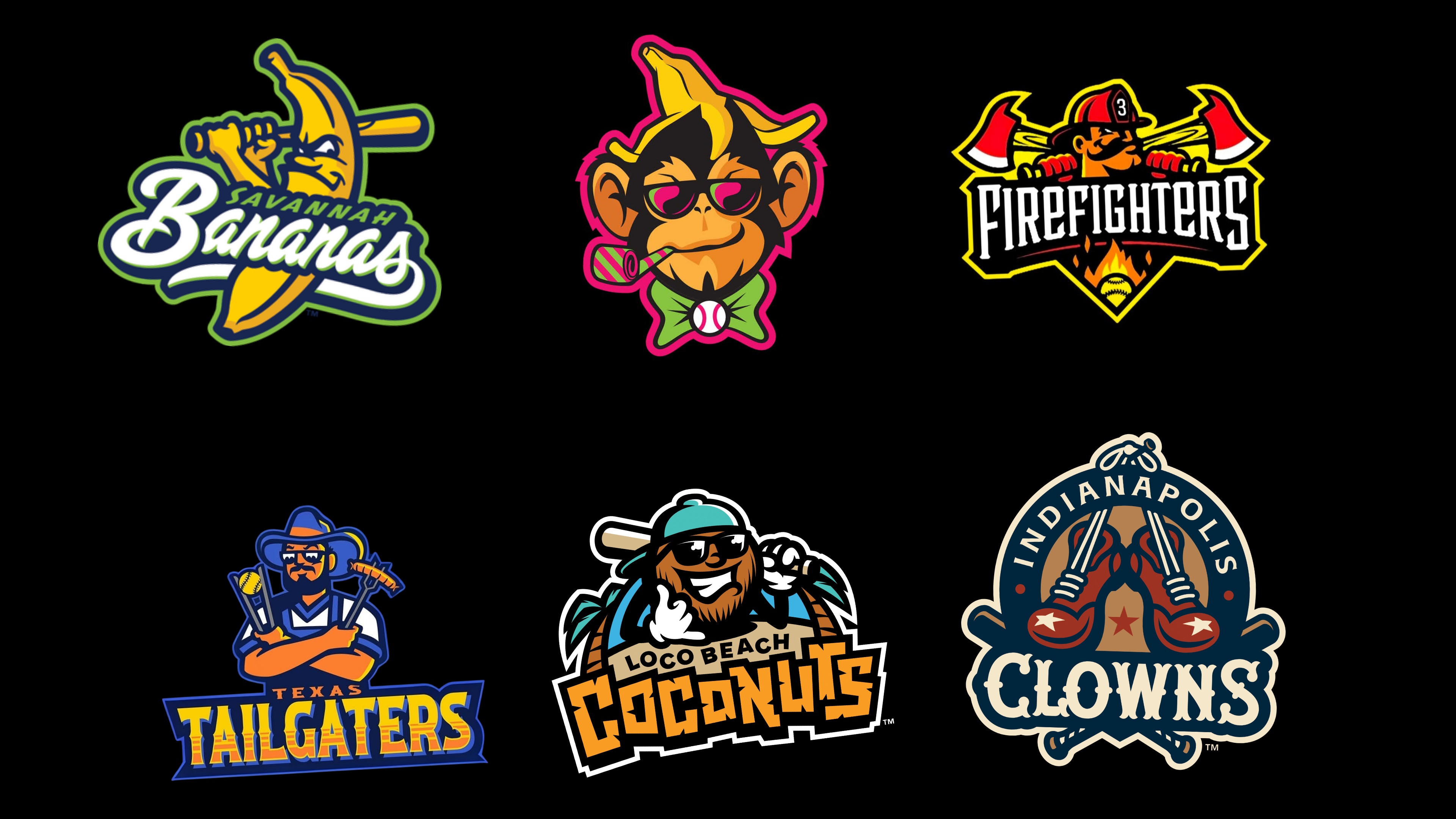
Savannah Bananas
Reese Alexiades – Pioneer (Ogden 2021-2023)
Ryan Cox – Frontier (Washington 2018-2020)
Austin Drury – American Association (Sioux City 2023-2024)
Max Jung – Goldberg – Pioneer (Boise 2024-2025)
Frankie Mosciatiello – Can-Am (Rockland 2018-2019), American Association (Gary 2019), Frontier (Southern Illinois Miners 2019, Quebec 2021-2024), COVID leagues (Washington and New York 2020), Atlantic (Long Island 2021-2022, Charleston 2025)
Party Animals
Tanner Thomas – USPBL (Westside 2022)
Noah Fisher – Frontier (Gateway 2023), Atlantic League (Staten Island 2023)
Reece Hampton – Atlantic (Gastonia 2021-2022)
Bret Helton – American Association (Fargo-Moorhead 2019-2022, Milwaukee 2022)
Garett Delano – American Association (Lincoln 2021-2022)
Jake Skole – Atlantic (Gastonia 2021-2022)
Andy Cosgrove – Frontier (Southern Illinois 2019)
Brady Kais – Pioneer (Glacier 2022), American Association (Lake Country 2022-2024)
Nate Tellier – American Association (Kansas City 2024)
TJ Reeves – Frontier (Florence 2024-2025)
Michael Ballard – Frontier (Florence 2025)
Dylan Porter – Pioneer (Idaho Falls 2025)
Riyan Rodriguez – Pioneer (Grand Junction 2023)
*Jake Lialios – Pecos (Tucson 2020)
Firefighters
Caden Green – Pioneer (Great Falls 2024)
Zachary Bridges – Atlantic (Charleston 2023)
Liam Spence – American Association (Sioux Falls 2024)
Dalton Cornett – Pioneer (Billings 2021), Atlantic (Kentucky 2022)
Ben Dum III – Frontier (Southern Illinois 2019), Atlantic (York 2023)
Eric Jones Jr. – USPBL (Utica 2019), Frontier (Gateway 2021), Atlantic (Gastonia 2022)
Lamar Sparks – Pioneer (Missoula 2022), American Association (Cleburne and Fargo-Moorhead 2025)
Dakota McFadden – COVID (Skylands 2020), Pecos (Bakersfield 2021), USPBL (Birmingham-Bloomfield and Westside 2025)
Tyner Hughes – Pioneer (Boise 2024)
Mason Maxwell – Atlantic (High Point and Staten Island 2024)
*Marshall Shill – Pacific Association (Sonoma 2019), Frontier (Quebec 2021-2022), Pioneer (Ogden 2023)
Texas Tailgaters
Jon Reid – Frontier (Florence 2017 and 2019)
Zach Watson – Atlantic (Lexington 2023)
Jorden Hussein – Frontier (Lake Erie 2022), USPBL (Westside 2023)
Taj Porter – USPBL (East Side and Utica 2023)
Jordan Barth – Pioneer (Billings 2022), American Association (Sioux Falls 2023-2025)
Reese Miller – Pioneer (Northern Colorado 2024, Grand Junction 2025)
Kyle Martin – American Association (Winnipeg 2019-2021, Cleburne 2025), Atlantic (York 2025)
Brett Sanchez – Frontier (Joliet 2024-2025)
Joe Sperone – Atlantic (Staten Island 2024)
Jose Gonzalez – Pioneer (Yolo 2024), American Association (Cleburne 2025)
Jimmy Lewis – Pioneer (Yolo 2024)
Loco Beach Coconuts
Erik Ostberg – American Association (Milwaukee 2024-2025, Fargo-Moorhead 2025)
Dane Tofteland – Frontier (Quebec 2021, Ottaway 2022), Pioneer (Ogden 2023, Rocky Mountain 2024-2025)
Brett Carson – Frontier (Washington 2023), Pioneer (Rocky Mountain 2023, Oakland 2024)
Joe Filomeno – American Association (Kansas City 2018, Fargo-Moorhead 2019)
Grady Morgan – Pioneer (Idaho Falls 2024-2025)
Indianapolis Clowns
Jackie Bradley Jr. (Yes… THAT major league Jackie Bradley Jr.) Atlantic (Long Island 2024)
Correll Prime – American Association (Texas 2019, Fargo-Moorhead 2019 – 2021 and 2023, Milwaukee 2022)
Bobby Lada – Pioneer (Yolo/Yuba-Sutler 2024-2025)
David Griffin – American Associaton (Gary 2019 and 2021), COVID (Washington and Rockland 2020), Atlantic League (Long Island 2024-2025)
Niko Hulsizer – Atlantic (Lancaster 2024)
Joe Gray – Atlantic (Gastonia, Long Island and Gastonia 2024), American (Lake Country and Milwaukee 2025)
Andrew Irvine – Pioneer (Rocky Mountain 2023)
Joe Lytle – Frontier (Evansville 2018, Windy City 2019, Florence 2021-22), Can-Am (Quebec 2019), American (Lincoln 2019)
Daniel Foster – Pioneer (Billings 2025)
Eli Paton – Pioneer (Glacier 2025)
Dayan Reinoso – Pioneer (Great Falls 2024), Frontier (Lake Erie 2025)
Vinny Santarsiero – Frontier (Evansville 2021-2022)
Chris Burgess – American (Gary 2022, Winnipeg 2023), Frontier (Tri-Sity 2024-2025, Trois Rivieres 2025)
Kirkland Banks – Pioneer (Yolo/Yuba-Sutter 2024-2025, Idaho Falls 2025)
Brian Dansereau – Pecos (Sante Fe 2019, Salina 2020), American (Houston 2021), Pioneer (Ogden 2022, Rocky Mountain 2023)
* Denotes “Entertainment” player on roster
 Indy Ball Island